Journal solutions
Connected publishing on your terms
Your science is cutting-edge. Your publishing infrastructure should be too.
Journals have long relied on publishing infrastructure that is expensive to maintain, slow to update, and built around static documents. Curvenote gives journals full editorial control over their workflows and content, with the flexibility to publish interactive, structured research that reflects the way science is actually done.
With Curvenote You Can Now:
- Publish interactive, dynamic articles that readers can engage with directly, not just download.
- Configure workflows around your existing processes.
- Automate routine steps so editors and authors focus on the work that matters.
- Build in compliance, integrity, and editorial checks from the start.
- Remove the barrier or author processing charges, keeping your journal accessible to every researcher.
- Go beyond download counts to understand how published research is being used and cited.
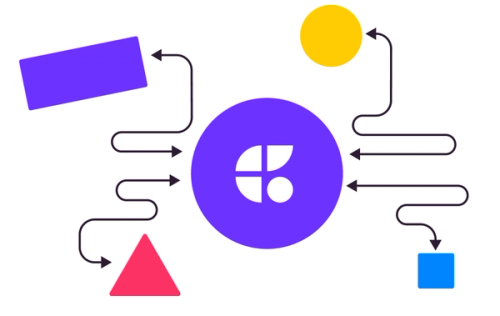
Science beyond the static page
Curvenote removes the constraints of PDF-based publishing with web-first, interactive articles where readers can manipulate data, run simulations, and engage directly with findings. Every research object carries its own metadata, making content discoverable, reusable and evolving. And … Curvenote’s PDFs are better too.
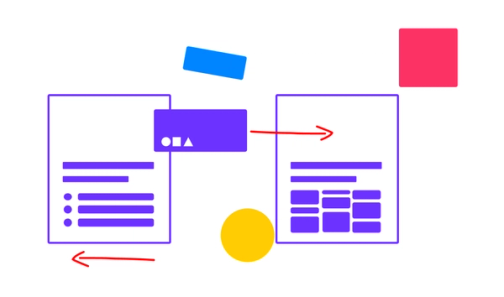
Configured to how you publish
With Curvenote, you can configure submission, peer review, revision, and publication workflows around your existing editorial processes. Automation handles the repetitive steps, so editors and authors can focus on collaboration without sacrificing quality.
Case Studies

MSA’s Interactive Journal: A New Model for Publishing
Microscopy Society of America launched Elemental Microscopy a new interactive open-access journal. Connects high-resolution imagery, code, and data into interactive articles—giving MSA full editorial control and no author fees.
Learn more