Software Underground
Rowan Cockett · October 8, 2020
Rowan Cockett · October 8, 2020
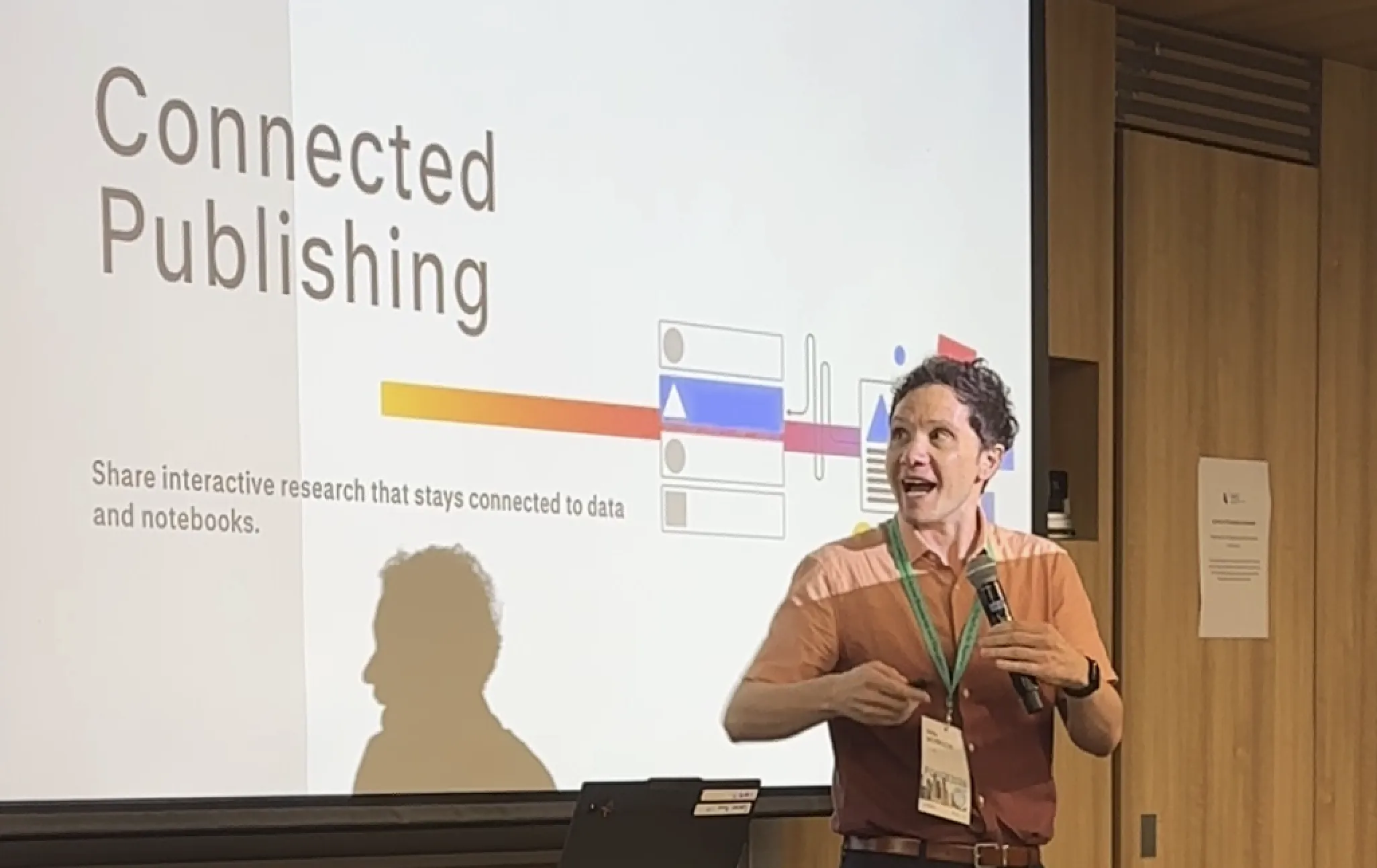
At FORCE11 2026, Curvenote showcased the newly launched Curvenote Reader deployed over all of openRxiv to enthusiastic feedback from scientific publishing leaders — with callouts on the innovation from the opening and closing keynotes as a meaningful step forward for open science.
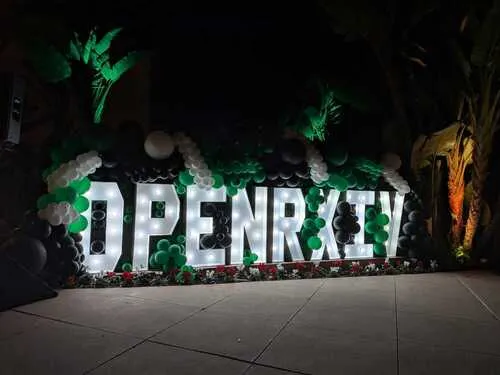
The openRxiv community came together to share plans for the future of the preprint ecosystem. We reflect on the vision and community energy that will shape the next few years, and how technologies like Curvenote are helping support a new generation of open research publishing.
In today's fast-paced scientific environment, the gap between code development and scholarly communication is widening. While scientists increasingly rely on code for analysis and modeling, traditional methods of sharing results—like static PDFs—fail to capture the dynamic and interactive nature of modern research.
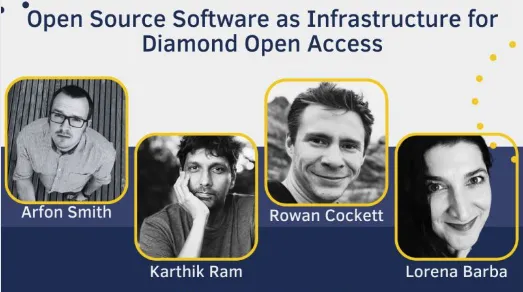
A panel discussion with Lorena Barba, Rowan Cockett, Karthik Ram and Arfon Smith explores how open source software practices can reshape the way we communicate scientific discoveries. Adopting open source tools and processes could drastically improve scientific communication, especially with the growing complexity and interconnectedness of research data.
At FORCE11 2024 Curvenote presented on our vision of Continuous Science, where the principles of continuous integration and deployment, well-known in software development, can be applied to scientific publishing to improve speed, reproducibility, and feedback loops.
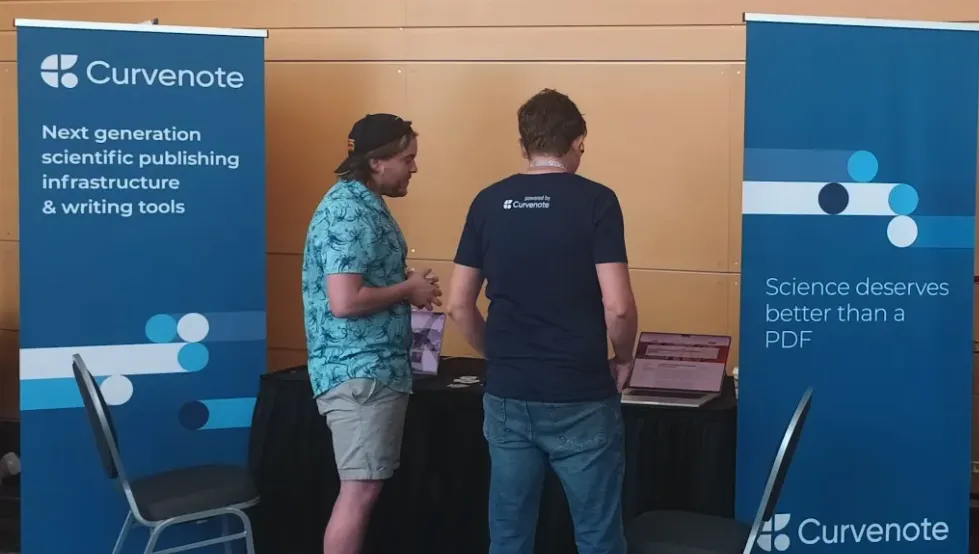
Curvenote attended and sponsored SciPy2024, hosting the proceedings, presenting on MyST Markdown and sprinting towards new integrations in the wider scientific Python community.